
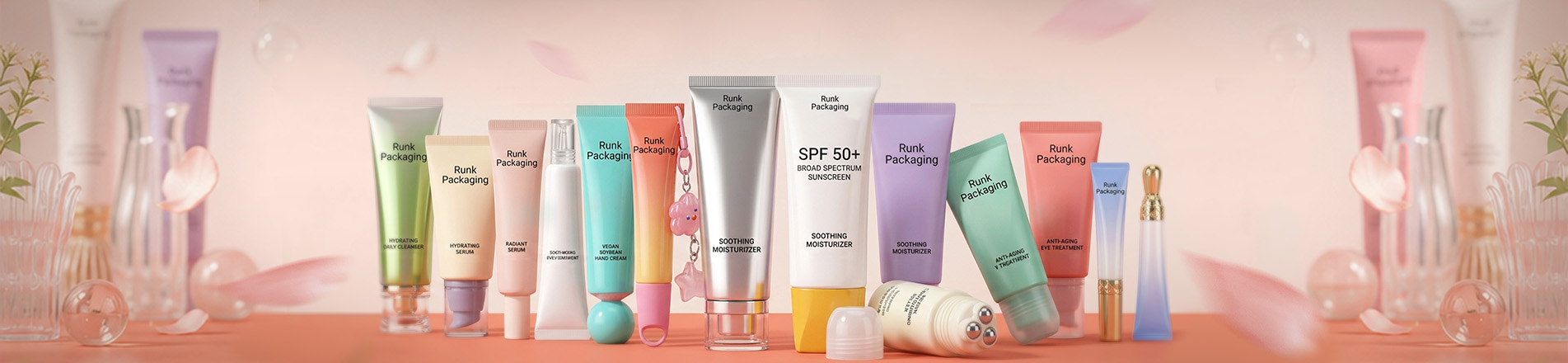
เนื่องจากอุตสาหกรรมความงามยังคงมุ่งไปสู่โซลูชันบรรจุภัณฑ์ที่มีความรับผิดชอบมากขึ้น แบรนด์เครื่องสำอางจึงมองหาวิธีลดการพึ่งพาพลาสติกใหม่แบบดั้งเดิม ในขณะเดียวกันก็ต้องรักษาคุณภาพของผลิตภัณฑ์ การออกแบบที่สวยงาม และประสิทธิภาพของบรรจุภัณฑ์ที่เชื่อถือได้
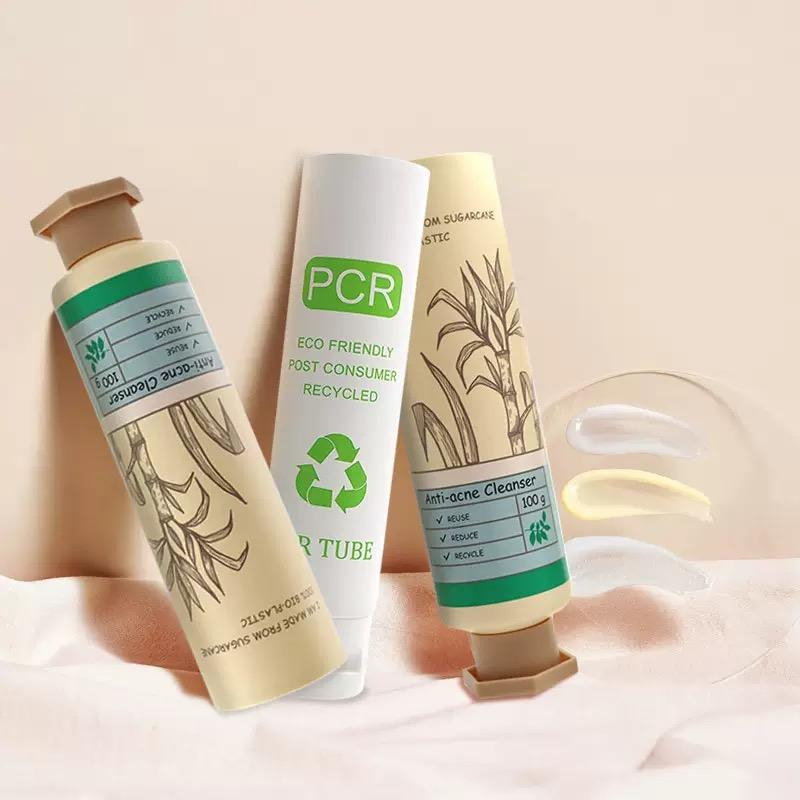
หลอด PCR สำหรับเครื่องสำอาง และ หลอดเครื่องสำอางที่ทำจากอ้อย เป็นสองทางเลือกที่ได้รับความนิยมมากขึ้นเรื่อยๆ สำหรับแบรนด์ต่างๆ ในการพัฒนาบรรจุภัณฑ์สำหรับผลิตภัณฑ์ดูแลผิว ผลิตภัณฑ์ดูแลส่วนบุคคล และผลิตภัณฑ์ความงามที่ยั่งยืนยิ่งขึ้น
แม้ว่าโซลูชันบรรจุภัณฑ์ทั้งสองแบบจะสามารถช่วยให้กลยุทธ์บรรจุภัณฑ์มีความรับผิดชอบมากขึ้นได้ แต่ก็บรรลุเป้าหมายนั้นด้วยวิธีการที่แตกต่างกัน PCR มุ่งเน้นไปที่การให้พลาสติกที่ใช้แล้วมีชีวิตอีกครั้ง ในขณะที่ PE ที่ผลิตจากอ้อยใช้วัตถุดิบจากพืชหมุนเวียนแทนที่จะพึ่งพาวัตถุดิบจากเชื้อเพลิงฟอสซิลทั้งหมด
สำหรับแบรนด์เครื่องสำอาง การเลือกที่เหมาะสมนั้นขึ้นอยู่กับข้อกำหนดของผลิตภัณฑ์ เป้าหมายด้านความยั่งยืน การออกแบบภาพลักษณ์ กลุ่มเป้าหมาย และโครงสร้างบรรจุภัณฑ์
PCR ย่อมาจาก Post Consumer Recycled plastic (พลาสติกรีไซเคิลหลังการใช้งานของผู้บริโภค) วัสดุ PCR ผลิตขึ้นโดยการรวบรวมและแปรรูปพลาสติกที่ผู้บริโภคใช้งานแล้ว และเปลี่ยนให้เป็นเรซินรีไซเคิลสำหรับใช้ในการผลิตบรรจุภัณฑ์ใหม่
หลอดบรรจุภัณฑ์เครื่องสำอาง PCR สามารถนำวัสดุรีไซเคิลมาใช้เป็นส่วนประกอบในโครงสร้างของหลอด ช่วยให้แบรนด์ต่างๆ ลดการพึ่งพาพลาสติกใหม่ และสนับสนุนแนวทางการบรรจุภัณฑ์แบบหมุนเวียนมากยิ่งขึ้น
ระดับปริมาณสาร PCR ที่แตกต่างกันสามารถนำมาพิจารณาได้ ขึ้นอยู่กับโครงสร้างและประสิทธิภาพของหลอดที่ต้องการ ควรประเมินเปอร์เซ็นต์ที่เหมาะสมตามลักษณะที่ต้องการ ประสิทธิภาพเชิงกล ความเข้ากันได้ของผลิตภัณฑ์ และข้อกำหนดในการผลิต
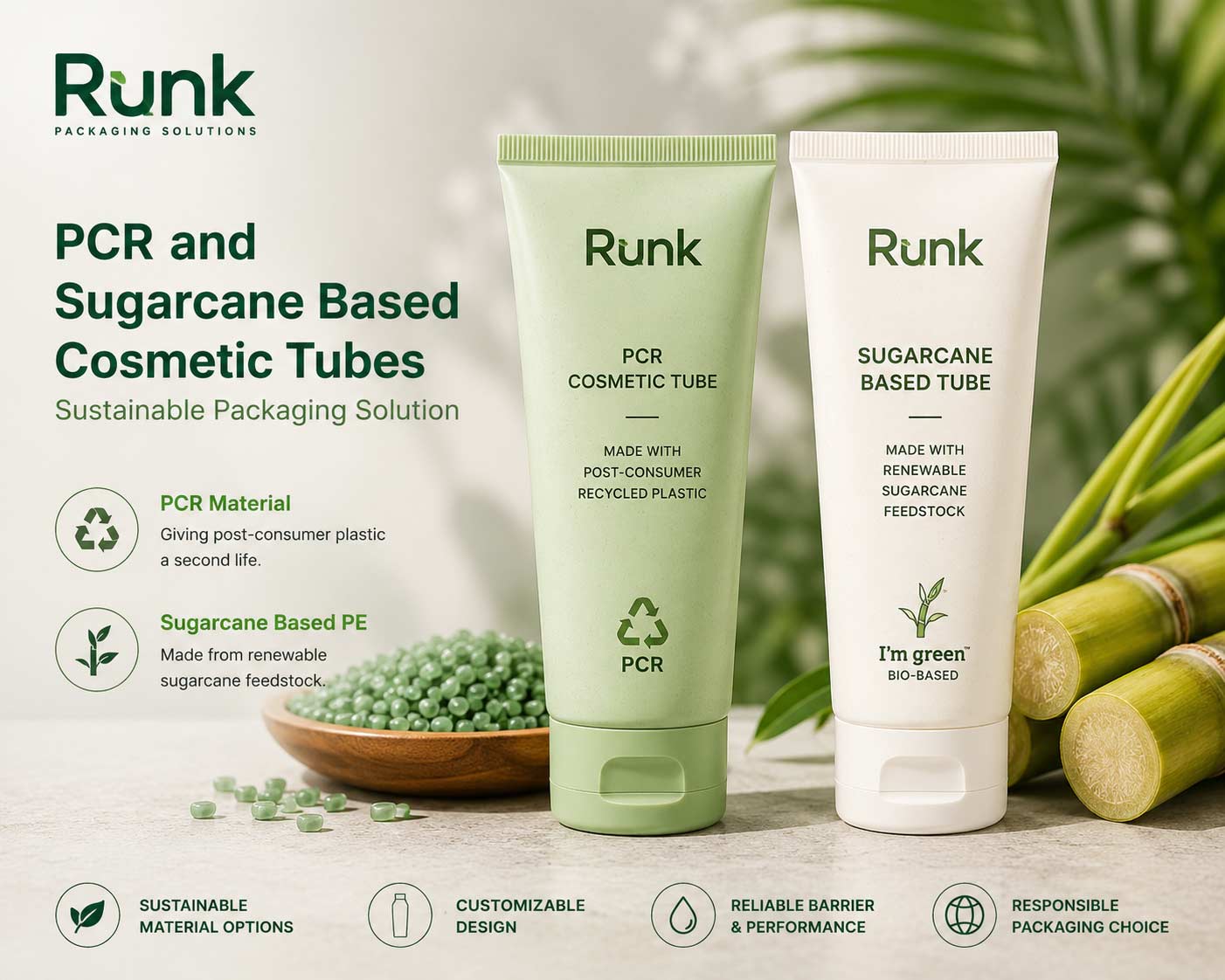
หลอดบรรจุภัณฑ์เครื่องสำอาง PCR มีข้อดีหลายประการสำหรับแบรนด์เครื่องสำอาง:
ช่วยลดการใช้พลาสติกใหม่
สนับสนุนแนวทางเศรษฐกิจหมุนเวียน
นำพลาสติกใช้แล้วมาใช้ประโยชน์รูปแบบใหม่
เหมาะสำหรับบรรจุภัณฑ์ผลิตภัณฑ์ดูแลผิวและผลิตภัณฑ์ดูแลส่วนบุคคล
สามารถปรับแต่งได้ตามความจุ สี ฝา และตัวเลือกการพิมพ์ต่างๆ
เป็นทางเลือกที่ใช้งานได้จริงสำหรับแบรนด์ที่มีเป้าหมายในการใช้เนื้อหาที่รีไซเคิล
สามารถผสานเป้าหมายด้านความยั่งยืนเข้ากับการออกแบบบรรจุภัณฑ์เครื่องสำอางสมัยใหม่ได้
สิ่งสำคัญประการหนึ่งที่ควรพิจารณาคือลักษณะภายนอก ขึ้นอยู่กับปริมาณ PCR เรซินรีไซเคิลบางครั้งอาจมีสีหรือลักษณะพื้นผิวที่แตกต่างกันเล็กน้อยเมื่อเทียบกับ PE บริสุทธิ์ ดังนั้นแบรนด์ต่างๆ ควรตรวจสอบตัวอย่างวัสดุก่อนที่จะสรุปแบบร่างและข้อกำหนดการผลิต
หลอดบรรจุเครื่องสำอางที่ทำจากอ้อยนั้น โดยทั่วไปจะผลิตโดยใช้โพลีเอทิลีนชีวภาพ หรือที่รู้จักกันในชื่อ ไบโอ พีอี (Bio PE)
แทนที่จะใช้วัตถุดิบคาร์บอนจากเชื้อเพลิงฟอสซิลทั้งหมด ไบโอพีเอสามารถผลิตได้โดยใช้เอทานอลที่ได้จากวัตถุดิบอ้อยหมุนเวียน โพลีเอทิลีนที่ได้จะมีคุณสมบัติคล้ายกับพีเอทั่วไป แม้ว่าแหล่งวัตถุดิบจะแตกต่างกันก็ตาม
ด้วยเหตุนี้ หลอดที่ทำจากอ้อยจึงเป็นตัวเลือกที่น่าสนใจสำหรับแบรนด์ที่ต้องการนำวัสดุหมุนเวียนมาใช้ในกลยุทธ์บรรจุภัณฑ์เครื่องสำอาง โดยไม่ละทิ้งคุณสมบัติการใช้งานที่คุ้นเคยของ PE
หลอดบรรจุเครื่องสำอางที่ทำจากอ้อยสามารถให้ประโยชน์ดังนี้:
วัตถุดิบจากพืชหมุนเวียน
ลดการพึ่งพาวัตถุดิบจากเชื้อเพลิงฟอสซิล
ความยืดหยุ่นและประสิทธิภาพการบีบอัดที่คุ้นเคยของท่อ PE
บรรจุภัณฑ์มีรูปลักษณ์ที่เรียบหรูและน่าดึงดูด
เข้ากันได้ดีกับการพิมพ์และตกแต่งหลอดเครื่องสำอาง
สามารถปรับแต่งได้อย่างยืดหยุ่นสำหรับผลิตภัณฑ์ความงามประเภทต่างๆ
เรื่องราวของวัสดุหมุนเวียนสำหรับแบรนด์ที่ใส่ใจสิ่งแวดล้อม
สิ่งสำคัญคือต้องชี้แจงว่า โพลีเอทิลีนที่ผลิตจากอ้อยไม่ได้หมายความว่าจะย่อยสลายได้ทางชีวภาพหรือสามารถนำไปทำปุ๋ยหมักได้โดยอัตโนมัติ คำว่า "ผลิตจากวัสดุชีวภาพ" หมายถึงแหล่งที่มาของวัสดุ ไม่ได้หมายความถึงพฤติกรรมเมื่อสิ้นสุดอายุการใช้งาน โพลีเอทิลีนที่ผลิตจากอ้อยยังคงเป็นโพลีเอทิลีนและสามารถนำไปรีไซเคิลได้ เมื่อโครงสร้างบรรจุภัณฑ์ขั้นสุดท้ายและระบบรีไซเคิลในท้องถิ่นรองรับการรีไซเคิลโพลีเอทิลีน
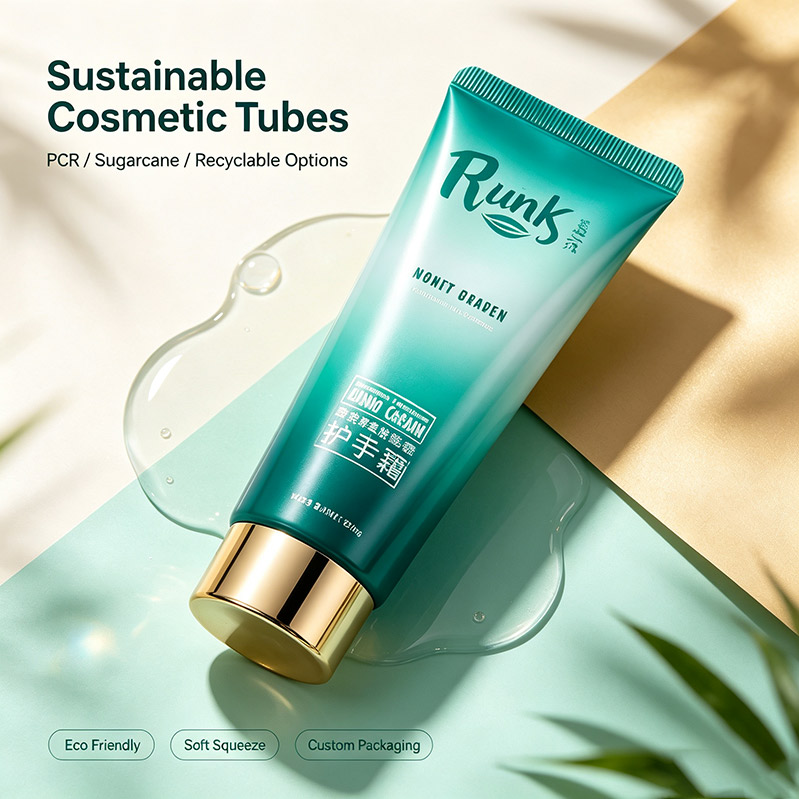
หลอดบรรจุภัณฑ์เครื่องสำอางที่ทำจาก PCR และอ้อย ต่างก็เป็นทางเลือกแทนบรรจุภัณฑ์พลาสติกใหม่แบบดั้งเดิม แต่ทั้งสองแบบต่างก็แก้ปัญหาความยั่งยืนจากมุมมองที่แตกต่างกัน
| คุณสมบัติ | หลอด PCR สำหรับเครื่องสำอาง | หลอดเครื่องสำอางที่ทำจากอ้อย |
|---|---|---|
| แหล่งที่มาของวัสดุ | พลาสติกรีไซเคิลจากวัสดุเหลือใช้หลังการบริโภค | วัตถุดิบหมุนเวียนจากอ้อย |
| จุดเน้นหลักด้านความยั่งยืน | การรีไซเคิลและเศรษฐกิจหมุนเวียน | ทรัพยากรหมุนเวียน |
| การลดปริมาณพลาสติกใหม่ | ใช่ | อาจเป็นไปได้ ขึ้นอยู่กับคุณสมบัติของวัสดุ |
| ความสอดคล้องทางภาพ | อาจแตกต่างกันไปขึ้นอยู่กับปริมาณ PCR | โดยทั่วไปจะคล้ายกับ PE ทั่วไป |
| ความยืดหยุ่นในการออกแบบ | สูง ด้วยการเลือกใช้วัสดุที่เหมาะสม | สูง |
| การพิมพ์และการตกแต่ง | ปรับแต่งได้ | ปรับแต่งได้ |
| เหมาะสำหรับ | แบรนด์ที่เน้นเนื้อหารีไซเคิลและเศรษฐกิจหมุนเวียน | แบรนด์ที่เน้นวัสดุหมุนเวียน |
| การรีไซเคิล | ขึ้นอยู่กับโครงสร้างขั้นสุดท้ายและโครงสร้างพื้นฐานการรีไซเคิลในท้องถิ่น | ขึ้นอยู่กับโครงสร้างขั้นสุดท้ายและโครงสร้างพื้นฐานการรีไซเคิลในท้องถิ่น |
ตัวเลือกที่ดีที่สุดอาจไม่เหมือนกันสำหรับทุกแบรนด์เสมอไป
ตัวอย่างเช่น แบรนด์ผลิตภัณฑ์ดูแลผิวที่ต้องการเน้นส่วนประกอบที่รีไซเคิลได้ อาจเลือกใช้หลอด PCR ในขณะที่แบรนด์ผลิตภัณฑ์ความงามจากธรรมชาติหรือผลิตภัณฑ์ดูแลผิวระดับพรีเมียมที่ให้ความสำคัญกับการจัดหาวัสดุหมุนเวียน อาจพิจารณาใช้ PE ที่ผลิตจากอ้อย
บางแบรนด์อาจเลือกใช้วัสดุที่เป็นมิตรต่อสิ่งแวดล้อมที่แตกต่างกันไปในแต่ละกลุ่มผลิตภัณฑ์ แทนที่จะใช้วัสดุชนิดเดียวกับทุกผลิตภัณฑ์
บรรจุภัณฑ์เป็นส่วนสำคัญของกลยุทธ์ด้านความยั่งยืนโดยรวมของผลิตภัณฑ์เครื่องสำอาง
หลอดไม่ได้เป็นเพียงแค่ภาชนะบรรจุเท่านั้น แต่ยังมีอิทธิพลต่อการใช้ทรัพยากร การปกป้องผลิตภัณฑ์ การขนส่ง ประสบการณ์ของผู้ใช้ รูปลักษณ์บนชั้นวางสินค้า และการพิจารณาถึงการจัดการเมื่อสิ้นสุดอายุการใช้งานด้วย
ด้วยเหตุนี้ การประเมินบรรจุภัณฑ์เครื่องสำอางที่ยั่งยืนจึงไม่ควรพิจารณาเพียงแค่ว่าวัสดุนั้นเรียกว่า "เป็นมิตรต่อสิ่งแวดล้อม" หรือไม่
แบรนด์ควรพิจารณาโครงสร้างบรรจุภัณฑ์โดยรวม ซึ่งรวมถึง:
การเลือกใช้ PCR, PE ที่ผลิตจากอ้อย, PE ทั่วไป หรือวัสดุอื่นๆ ควรพิจารณาจากข้อกำหนดทางเทคนิคและความยั่งยืนของผลิตภัณฑ์เป็นหลัก
โครงสร้างที่ทำจากวัสดุชนิดเดียวสามารถให้ข้อดีในด้านการรีไซเคิลได้ เมื่อเข้ากันได้กับระบบรีไซเคิลที่มีอยู่ ควรพิจารณาส่วนประกอบอื่นๆ เช่น ฝาปิด ไหล่ แผ่นกั้น การตกแต่ง และส่วนประกอบอื่นๆ ด้วย เมื่อประเมินภาพรวมทั้งหมด
บรรจุภัณฑ์ต้องเข้ากันได้กับสูตรของผลิตภัณฑ์ ครีมบำรุงผิว ผลิตภัณฑ์ทำความสะอาด ครีมกันแดด ครีมทามือ โลชั่นทาตัว ผลิตภัณฑ์บำรุงเส้นผม และสูตรอื่นๆ อาจมีข้อกำหนดด้านบรรจุภัณฑ์ที่แตกต่างกัน
วัสดุที่ยั่งยืนควรยังคงสนับสนุนเอกลักษณ์ทางภาพลักษณ์ของแบรนด์ การพิมพ์ การจับคู่สี การตกแต่งพื้นผิว การปั๊มร้อน และเทคนิคการตกแต่งอื่นๆ ควรได้รับการประเมินควบคู่ไปกับวัสดุที่เลือกใช้
กลยุทธ์การบรรจุภัณฑ์ที่รับผิดชอบควรพิจารณาถึงสิ่งที่เกิดขึ้นหลังจากผู้บริโภคใช้ผลิตภัณฑ์หมดแล้ว ความสามารถในการรีไซเคิลไม่ได้ขึ้นอยู่กับเรซินเพียงอย่างเดียว แต่ยังขึ้นอยู่กับโครงสร้างบรรจุภัณฑ์ทั้งหมดและโครงสร้างพื้นฐานการรีไซเคิลที่มีอยู่ในตลาดเป้าหมายด้วย
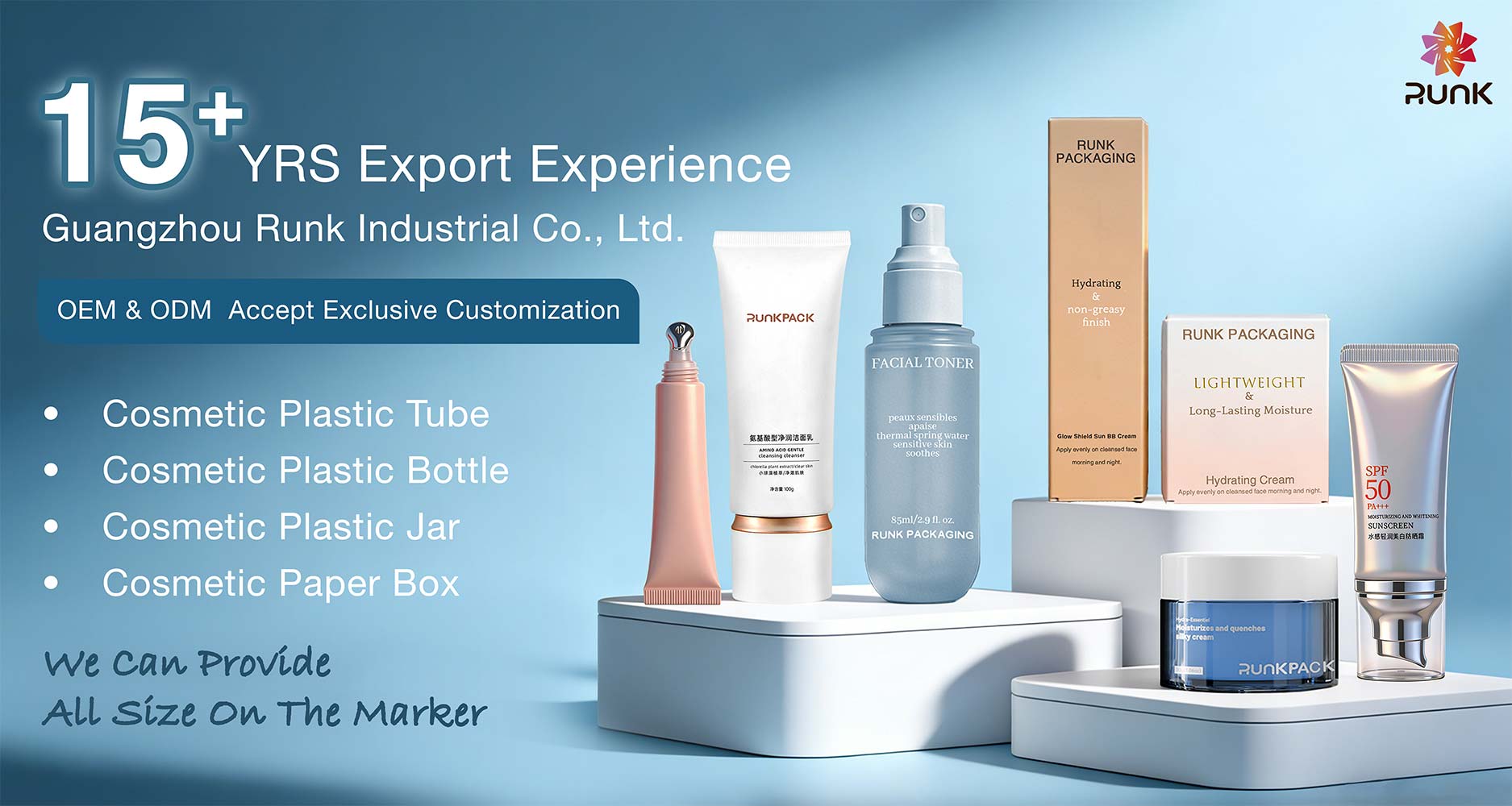
ความยั่งยืนไม่ได้หมายความว่าบรรจุภัณฑ์เครื่องสำอางจะต้องดูเรียบง่ายหรือดูไม่เสร็จสมบูรณ์
หลอดบรรจุภัณฑ์เครื่องสำอางที่ผลิตจาก PCR และอ้อยในปัจจุบัน สามารถปรับแต่งให้เข้ากับเอกลักษณ์ของแบรนด์และการวางตำแหน่งผลิตภัณฑ์ที่แตกต่างกันได้
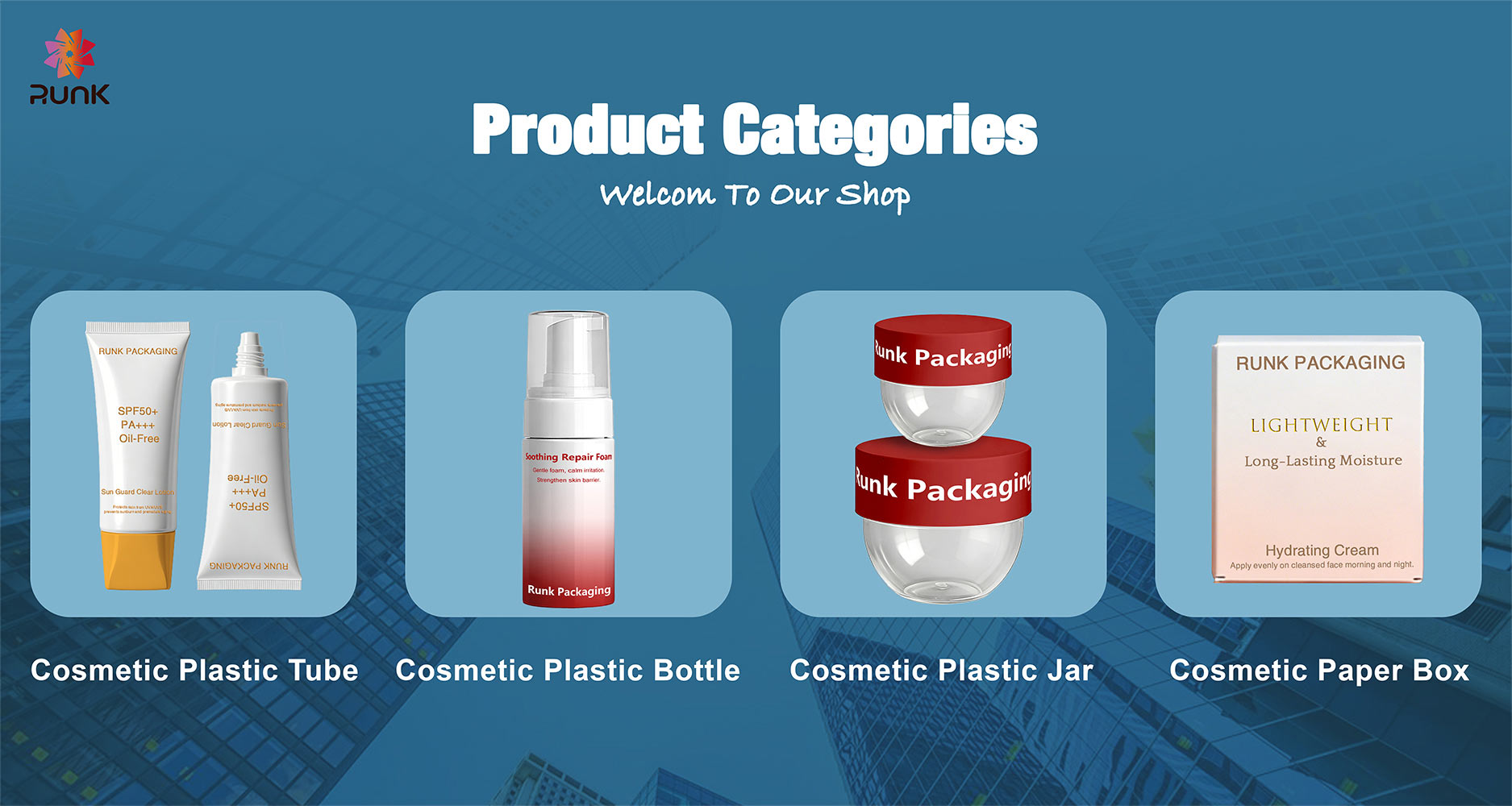
Runk สามารถนำเสนอโซลูชันหลอดบรรจุภัณฑ์เครื่องสำอางแบบกำหนดเองสำหรับผลิตภัณฑ์ความงามหลากหลายประเภท รวมถึง:
ครีมบำรุงผิวหน้า
ครีมทามือ
โลชั่นบำรุงผิวกาย
ผลิตภัณฑ์ทำความสะอาดผิวหน้า
ครีมกันแดด
ครีมนวดผม
แชมพู
สครับขัดผิวกาย
ผลิตภัณฑ์ดูแลส่วนบุคคล
ผลิตภัณฑ์บำรุงผิวและความงามอื่นๆ
แบรนด์ต่างๆ สามารถเลือกใช้หลอดที่มีขนาดความจุ เส้นผ่านศูนย์กลาง สี รูปแบบฝา วิธีการพิมพ์ และพื้นผิวที่แตกต่างกันได้ ขึ้นอยู่กับโครงการนั้นๆ
สิ่งนี้ช่วยให้แบรนด์ต่างๆ สามารถสร้างบรรจุภัณฑ์ที่ยั่งยืนได้ ในขณะเดียวกันก็ยังคงรักษาเอกลักษณ์ทางภาพที่จดจำได้ง่ายไว้ได้
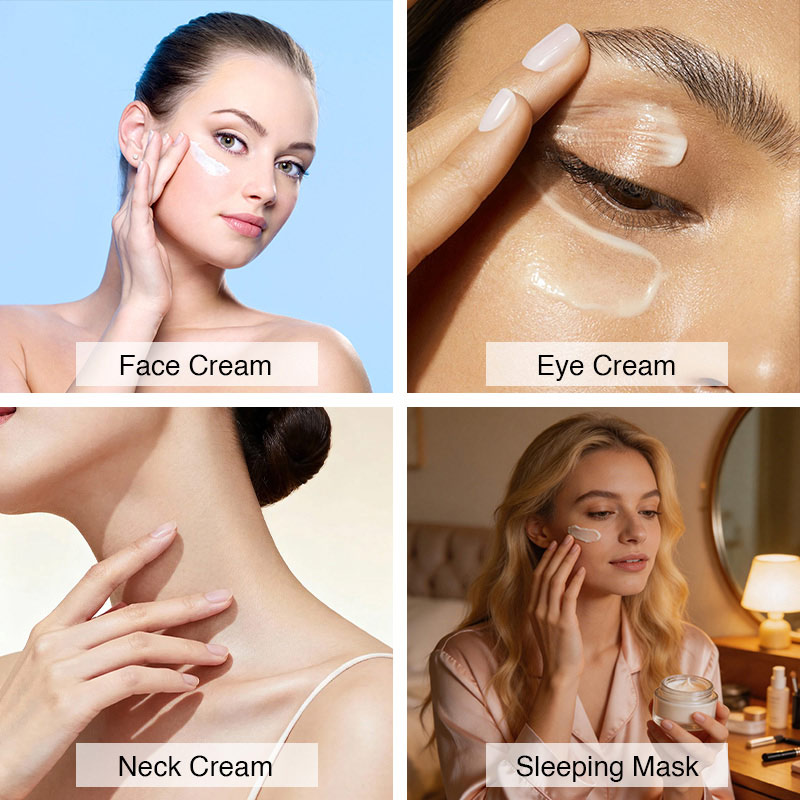
สำหรับแบรนด์ที่กำลังพัฒนาผลิตภัณฑ์เครื่องสำอางใหม่ การปรับแต่งบรรจุภัณฑ์สามารถทำได้มากกว่าแค่การเลือกวัสดุ
ผลิตภัณฑ์เครื่องสำอางแต่ละชนิดต้องการขนาดบรรจุภัณฑ์ที่แตกต่างกัน ความจุของหลอดสามารถพัฒนาได้ตามประเภทผลิตภัณฑ์ ปริมาณการใช้ และกลุ่มเป้าหมาย
แบรนด์ต่างๆ สามารถเลือกสีที่เข้ากับระบบบรรจุภัณฑ์ที่มีอยู่แล้ว หรือสร้างเอกลักษณ์ทางภาพลักษณ์ใหม่ทั้งหมดได้
สำหรับหลอด PCR ควรประเมินการพัฒนาสีอย่างระมัดระวัง เนื่องจากส่วนประกอบที่นำกลับมาใช้ใหม่อาจส่งผลต่อลักษณะที่ปรากฏในที่สุด
พลาสติก PE ที่ผลิตจากอ้อยสามารถให้พื้นผิวที่สม่ำเสมอกว่าสำหรับแบรนด์ที่ต้องการสีขาวสะอาดตา สีพาสเทล หรือสีอื่นๆ ที่ต้องการความแม่นยำสูง
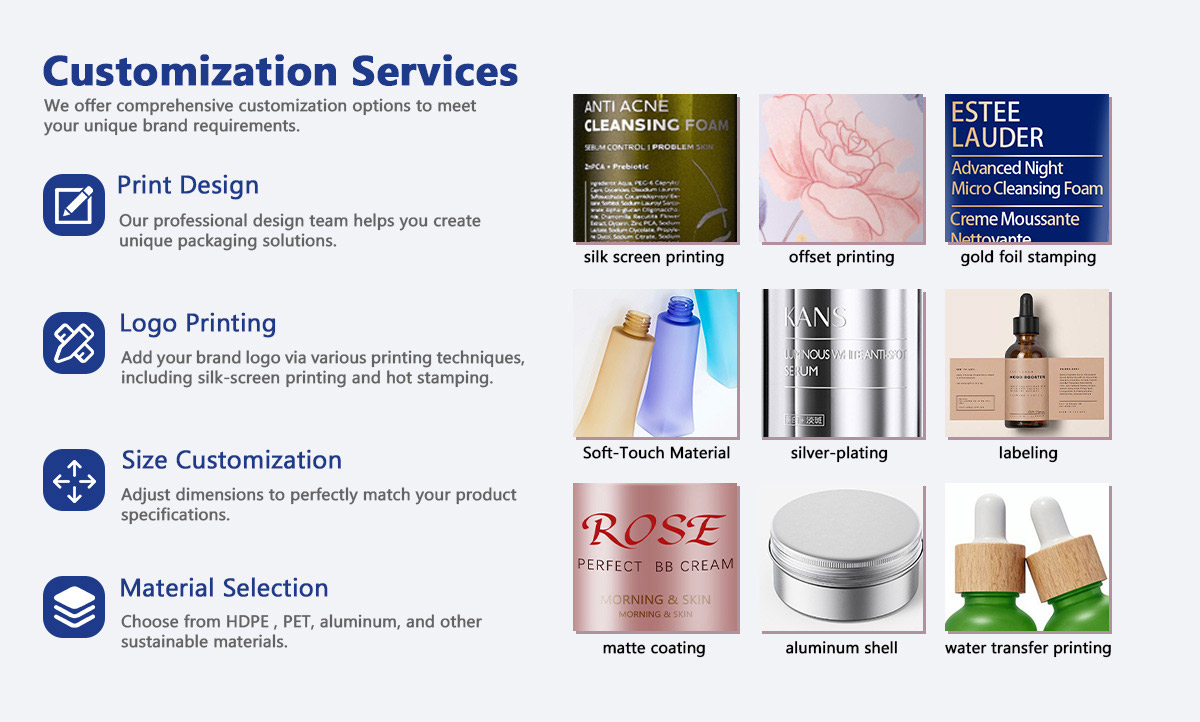
หลอดบรรจุภัณฑ์เครื่องสำอางสามารถรองรับเทคนิคการตกแต่งที่หลากหลาย รวมถึงการพิมพ์ออฟเซ็ต การพิมพ์สกรีน และโซลูชันการตกแต่งแบบกำหนดเองอื่นๆ ขึ้นอยู่กับวัสดุของหลอดและข้อกำหนดด้านการออกแบบ
ฝาปิดเป็นส่วนสำคัญทั้งในด้านการใช้งานและเอกลักษณ์ทางด้านภาพ สามารถออกแบบฝาปิดได้หลายแบบตามวิธีการใช้งานและดีไซน์โดยรวมของบรรจุภัณฑ์
การเคลือบเงา ผิวด้าน ผิวสัมผัสนุ่ม เอฟเฟ็กต์โลหะ และตัวเลือกการตกแต่งอื่นๆ สามารถช่วยสร้างประสบการณ์บรรจุภัณฑ์ระดับพรีเมียมที่แตกต่างกันได้
ไม่มีคำตอบที่ใช้ได้กับทุกคน
แนวทางที่ได้ผลคือ เริ่มต้นด้วยเป้าหมายหลักด้านความยั่งยืนของแบรนด์ของคุณ
เนื้อหาที่นำกลับมาใช้ใหม่
ลดการใช้พลาสติกใหม่
โครงการเศรษฐกิจหมุนเวียน
การนำพลาสติกใช้แล้วมาใช้ประโยชน์อีกครั้ง
การสื่อสารเกี่ยวกับวัสดุรีไซเคิล
โครงการบรรจุภัณฑ์ขนาดใหญ่ที่ปริมาณวัสดุรีไซเคิลเป็นตัวชี้วัดสำคัญ
การจัดหาวัสดุหมุนเวียน
ลดการพึ่งพาวัตถุดิบจากเชื้อเพลิงฟอสซิล
นวัตกรรมวัสดุจากพืช
ความสม่ำเสมอทางภาพระดับพรีเมียม
การวางตำแหน่งทางการตลาดของผลิตภัณฑ์ความงามจากธรรมชาติหรือผลิตภัณฑ์ความงามที่สะอาด
รักษาประสิทธิภาพของบรรจุภัณฑ์ PE ที่คุ้นเคย
การตัดสินใจควรคำนึงถึงความเข้ากันได้ของผลิตภัณฑ์ โครงสร้างของท่อ การตกแต่ง ความต้องการของตลาดเป้าหมาย ความต้องการด้านการรับรอง ปริมาณการผลิต และต้นทุนบรรจุภัณฑ์โดยรวมด้วย
ที่ Runk เราเข้าใจว่าบรรจุภัณฑ์ที่ยั่งยืนไม่ได้หมายถึงแค่การแทนที่วัสดุหนึ่งด้วยวัสดุอื่นเท่านั้น
โซลูชันบรรจุภัณฑ์เครื่องสำอางที่ประสบความสำเร็จต้องสร้างสมดุลระหว่างความยั่งยืน ฟังก์ชันการใช้งาน ความสวยงาม ความเป็นไปได้ในการผลิต และข้อกำหนดของแบรนด์
โซลูชันบรรจุภัณฑ์เครื่องสำอางของเราสามารถปรับแต่งได้ตามการใช้งานของผลิตภัณฑ์และความต้องการของแบรนด์ต่างๆ
ตั้งแต่การเลือกวัสดุไปจนถึงความจุของหลอด สี รูปแบบฝา การพิมพ์ และการตกแต่งพื้นผิว Runk ทำงานร่วมกับแบรนด์และผู้ซื้อบรรจุภัณฑ์เพื่อพัฒนาหลอดบรรจุเครื่องสำอางที่เหมาะสมกับโครงการเฉพาะของพวกเขา
ไม่ว่าคุณจะกำลังมองหาหลอดบรรจุเครื่องสำอางที่ทำจาก PCR หลอดบรรจุเครื่องสำอางที่ทำจากอ้อย หรือโซลูชันบรรจุภัณฑ์ PE แบบกำหนดเองอื่นๆ การเลือกโครงสร้างที่เหมาะสมตั้งแต่เริ่มต้นกระบวนการพัฒนาจะช่วยสร้างโซลูชันบรรจุภัณฑ์ที่ใช้งานได้จริงและสม่ำเสมอยิ่งขึ้น
หลอดบรรจุภัณฑ์เครื่องสำอาง PCR คือหลอดบรรจุภัณฑ์ที่ผสมผสานพลาสติกรีไซเคิลจากผู้บริโภค (Post Consumer Recycled Plastic) เข้ากับโครงสร้างวัสดุ เป็นการนำพลาสติกที่ใช้แล้วมาใช้ประโยชน์ใหม่ และช่วยลดการพึ่งพาพลาสติกใหม่ได้
หลอดบรรจุเครื่องสำอางที่ทำจากอ้อย โดยทั่วไปจะทำจากโพลีเอทิลีนชีวภาพที่ผลิตจากวัตถุดิบหมุนเวียนที่ได้จากอ้อย วัสดุยังคงเป็นโพลีเอทิลีน แต่ใช้วัตถุดิบจากแหล่งหมุนเวียน
ไม่ PCR และ PE ที่ผลิตจากอ้อยเป็นวิธีการผลิตวัสดุที่แตกต่างกันสองวิธี
PCR ใช้พลาสติกรีไซเคิล ในขณะที่ PE ที่ผลิตจากอ้อยใช้วัตถุดิบจากพืชที่หมุนเวียนได้
ไม่ควรตัดสินว่าวัสดุชนิดใดดีกว่ากันโดยอัตโนมัติในทุกสถานการณ์
PCR เน้นที่เนื้อหาที่นำกลับมาใช้ใหม่และความเป็นระบบหมุนเวียน ในขณะที่ PE ที่ผลิตจากอ้อยเน้นที่การจัดหาแหล่งทรัพยากรหมุนเวียนและลดการพึ่งพาวัตถุดิบจากเชื้อเพลิงฟอสซิล
ทางเลือกที่ดีกว่านั้นขึ้นอยู่กับเป้าหมายด้านความยั่งยืนของแบรนด์และความต้องการของผลิตภัณฑ์
ไม่จำเป็นเสมอไป
โพลีเอทิลีนที่ผลิตจากอ้อยเป็นวัสดุชีวภาพ แต่คำว่าชีวภาพไม่ได้หมายความว่าจะย่อยสลายได้ทางชีวภาพหรือสามารถนำไปทำปุ๋ยหมักได้โดยอัตโนมัติ แบรนด์ต่างๆ ควรแยกแยะคุณสมบัติของวัสดุเหล่านี้ให้ชัดเจนเมื่อกล่าวอ้างถึงความยั่งยืน
พลาสติก PE ที่ผลิตจากอ้อยสามารถนำไปรีไซเคิลได้ หากบรรจุภัณฑ์ได้รับการออกแบบอย่างเหมาะสม และมีโครงสร้างพื้นฐานสำหรับการรีไซเคิล PE ที่เหมาะสม
ควรประเมินโครงสร้างท่อทั้งหมด แทนที่จะพิจารณาเฉพาะแหล่งที่มาของเรซินเท่านั้น
วัสดุ PCR นั้นสามารถนำไปรีไซเคิลได้ แต่ความสามารถในการรีไซเคิลของหลอดเครื่องสำอางสำเร็จรูปนั้นขึ้นอยู่กับโครงสร้างโดยรวมทั้งหมด รวมถึงตัวหลอด ฝาปิด ชั้นกั้น การตกแต่ง และโครงสร้างพื้นฐานการรีไซเคิลในท้องถิ่น
พวกเขาสามารถทำได้
ลักษณะที่ปรากฏขึ้นอยู่กับปริมาณ PCR แหล่งที่มาของเรซินรีไซเคิล สี และกระบวนการผลิต ปริมาณรีไซเคิลที่สูงขึ้นอาจส่งผลให้สีหรือลักษณะพื้นผิวแตกต่างกันเล็กน้อย
แนะนำให้ทำการประเมินตัวอย่างก่อนการผลิตจำนวนมาก
ไบโอ PE ที่ผลิตจากอ้อยถูกออกแบบมาเพื่อคงคุณสมบัติที่คุ้นเคยของโพลีเอทิลีนไว้ รวมถึงความยืดหยุ่นและความสามารถในการบีบอัด
อย่างไรก็ตาม ประสิทธิภาพที่แท้จริงขึ้นอยู่กับเรซินที่เลือกใช้ โครงสร้างท่อ กระบวนการผลิต และข้อกำหนดของผลิตภัณฑ์ขั้นสุดท้าย ควรทำการทดสอบทางเทคนิคสำหรับโครงการเฉพาะนั้นๆ เสมอ
ใช่.
ขึ้นอยู่กับข้อกำหนดของบรรจุภัณฑ์ หลอดบรรจุเครื่องสำอางสามารถปรับแต่งได้ในแง่ของความจุ เส้นผ่านศูนย์กลาง สี ฝาปิด การพิมพ์ การตกแต่งพื้นผิว และรายละเอียดการออกแบบอื่นๆ
ใช่แล้ว วัสดุที่เป็นมิตรต่อสิ่งแวดล้อมสามารถนำมาพิจารณาใช้สำหรับบรรจุภัณฑ์ครีมกันแดดได้ แต่ควรประเมินความเข้ากันได้ของสูตร คุณสมบัติในการกั้น การจ่ายสาร และความเสถียรก่อนการผลิต
ใช่.
หลอดพลาสติกโพลียูรีเทน (PE) ที่ผลิตจาก PCR และอ้อย สามารถนำมาพิจารณาใช้ในผลิตภัณฑ์ต่างๆ เช่น ครีมทามือ โลชั่นบำรุงผิว ครีมบำรุงผิวหน้า ผลิตภัณฑ์ทำความสะอาดผิว สครับ แชมพู ครีมนวดผม และผลิตภัณฑ์ดูแลส่วนบุคคลอื่นๆ โดยต้องผ่านการทดสอบความเข้ากันได้ของสูตรก่อน
ไม่จำเป็นเสมอไป
ราคาขึ้นอยู่กับความพร้อมของวัสดุ ปริมาณ PCR โครงสร้างของหลอด ปริมาณการสั่งซื้อ การตกแต่ง ข้อกำหนด และสภาวะตลาด
แนะนำให้ขอใบเสนอราคาเฉพาะโครงการเพื่อการเปรียบเทียบที่แม่นยำ
ก่อนสั่งซื้อสินค้า แบรนด์ควรประเมินสิ่งต่อไปนี้:
ความเข้ากันได้ของสูตรผลิตภัณฑ์
ความจุท่อที่ต้องการ
เปอร์เซ็นต์ของวัสดุและ PCR
โครงสร้างท่อ
วัสดุและดีไซน์ของหมวก
การพิมพ์และการตกแต่ง
ข้อกำหนดด้านสี
ข้อควรพิจารณาเกี่ยวกับการรีไซเคิล
ข้อกำหนดของตลาดเป้าหมาย
เอกสารรับรองและการปฏิบัติตามข้อกำหนด
ปริมาณการสั่งซื้อขั้นต่ำ
ระยะเวลานำส่งการผลิต
ต้นทุนบรรจุภัณฑ์ทั้งหมด
การเปลี่ยนผ่านไปสู่บรรจุภัณฑ์ความงามที่ยั่งยืนนั้นไม่ใช่เรื่องของการเลือกวัสดุที่ทันสมัยที่สุด แต่เป็นการค้นหาโซลูชันบรรจุภัณฑ์ที่สร้างสมดุลที่ลงตัวระหว่างเป้าหมายด้านสิ่งแวดล้อม การปกป้องผลิตภัณฑ์ การออกแบบแบรนด์ ข้อกำหนดในการผลิต และความคาดหวังของผู้บริโภค
หลอดบรรจุภัณฑ์เครื่องสำอางที่ผลิตจาก PCR และหลอดบรรจุภัณฑ์เครื่องสำอางที่ทำจากอ้อย เป็นสองแนวทางที่แตกต่างกันไปสู่บรรจุภัณฑ์ที่รับผิดชอบต่อสังคมมากขึ้น
PCR ช่วยนำพลาสติกที่ใช้แล้วจากผู้บริโภคกลับเข้าสู่กระบวนการบรรจุภัณฑ์อีกครั้ง ในขณะที่ PE ที่ผลิตจากอ้อยเป็นการนำวัตถุดิบหมุนเวียนมาใช้ในบรรจุภัณฑ์โพลีเอทิลีนแบบดั้งเดิม
ด้วยการทำความเข้าใจความแตกต่างระหว่างวัสดุเหล่านี้ แบรนด์เครื่องสำอางสามารถตัดสินใจเลือกบรรจุภัณฑ์ได้อย่างชาญฉลาดมากขึ้น และพัฒนาโซลูชันที่สอดคล้องกับกลยุทธ์ด้านผลิตภัณฑ์และความยั่งยืนของตนได้ดียิ่งขึ้น
กำลังมองหาหลอดบรรจุภัณฑ์เครื่องสำอางที่ผลิตจาก PCR หรืออ้อยแบบสั่งทำพิเศษสำหรับผลิตภัณฑ์ความงามชิ้นต่อไปของคุณอยู่หรือไม่? ติดต่อ Runk เพื่อพูดคุยเกี่ยวกับความต้องการด้านบรรจุภัณฑ์ของคุณและพัฒนาโซลูชันที่เหมาะสมกับแบรนด์ของคุณ
ติดต่อ : info@runkgroup.com | +86-13128608159
เว็บไซต์ของ Runk :
https://runkpackaging.en.alibaba.com/
ตั้งอยู่ในกว่างโจว ประเทศจีน – ให้บริการแบรนด์ความงามทั่วโลก


 รองรับเครือข่าย IPv6
 ภาษาไทย